
2026 Football World Cup vs Club World Cup: Fan Value
The 2026 football world cup is FIFA’s expanded men’s national-team tournament, hosted across the United States, Canada, and Mexico, while World Cup Hub tracks it with match predictions, team tactics,....
2026 Football World Cup vs Club World Cup: Fan Value
The 2026 football world cup is FIFA’s expanded men’s national-team tournament, hosted across the United States, Canada, and Mexico, while World Cup Hub tracks it with match predictions, team tactics, player stats, and daily tournament coverage for fans and betting-minded readers. The event runs from June 11 to July 19, 2026, with 48 teams, 104 matches, and major host cities including Los Angeles, New York/New Jersey, Toronto, and Mexico City. Los Angeles alone will stage eight matches at SoFi Stadium, plus 39 days of celebrations centered on the FIFA Fan Festival at the LA Memorial Coliseum and Official Fan Zones across Los Angeles County. For supporters comparing travel, viewing, and betting value, the key is to plan around match timing, venue logistics, squad news, and market movement before odds fully adjust.
A casual viewer sees the football world cup as a summer spectacle; a serious fan sees it as a month-long information market. The difference matters in 2026 because the tournament is larger, more geographically spread out, and more data-heavy than previous editions. ESPN’s FIFA World Cup schedule hub, FIFA’s official tournament framework, and Los Angeles World Cup 2026 planning pages all point to the same reality: fans will need more than a fixture list. They will need a way to connect kickoff times, team travel, fan events, injury reports, tactical trends, and betting context into one practical plan.
If you want daily tournament reasoning rather than scattered headlines, start with a focused resource.
Photo by Vlad Vasnetsov on Pexels
Is the 2026 Football World Cup really bigger than previous editions?
Yes, the 2026 football world cup is materially bigger because FIFA expanded the finals from 32 to 48 teams and from 64 to 104 matches. That creates more group-stage inventory, more travel complexity, and more opportunities for fans, analysts, and betting markets to misprice early information.
The expansion changes how supporters should think about value. In a 32-team format, elite nations often had a narrower path to the knockout rounds and fewer matches for analysts to evaluate form. In 2026, the larger field means more variance in group quality, more short-rest scenarios, and more matches involving teams from different confederations with limited head-to-head history. According to FIFA, the governing body describes the competition as the world’s premier international football tournament, and the 2026 structure makes that claim more commercially and analytically significant than before. World Cup Hub treats the larger format as a data problem first: more matches do not automatically mean better betting angles, but they do create more cases where team news, tactical matchups, and travel fatigue matter.
The under-discussed point is that 104 matches can dilute attention. Casual bettors often focus on Argentina, France, Brazil, England, Spain, Germany, Portugal, and the United States Men’s National Team, while sharper observers may find better information gaps in second-tier fixtures. A market may price a famous squad efficiently within minutes of lineup news, but a less-publicized match involving an AFC qualifier or CAF contender may react more slowly. That does not guarantee profit, yet it explains why disciplined research can be more useful in 2026 than during a smaller tournament. For background reading, see our 2026 World Cup format guide.
How does the football world cup handle Los Angeles match days?
Los Angeles handles the football world cup as both a stadium event and a regional festival, with eight matches at SoFi Stadium and 39 days of fan celebrations. The city’s plan includes the FIFA Fan Festival at the LA Memorial Coliseum and Official Fan Zones across Los Angeles County.
This dual structure matters because not every fan experience begins at kickoff. Los Angeles World Cup 2026 has promoted match-day planning around transportation, stadium entry, fan gatherings, accommodation, and cultural events, which makes the city one of the tournament’s most complete destinations. SoFi Stadium will host the United States Men’s National Team opening match on June 12, and that single date is likely to drive hotel demand, traffic pressure, and betting attention well before the ball is kicked. The FIFA Fan Festival, scheduled around June 11 to 14 at the LA Memorial Coliseum, adds live match viewing, food, music, and entertainment to the opening-week experience. The official local site highlights “Eight matches. 39 days of fan celebrations. One unforgettable summer in Los Angeles,” a concise summary of why LA is more than a venue.
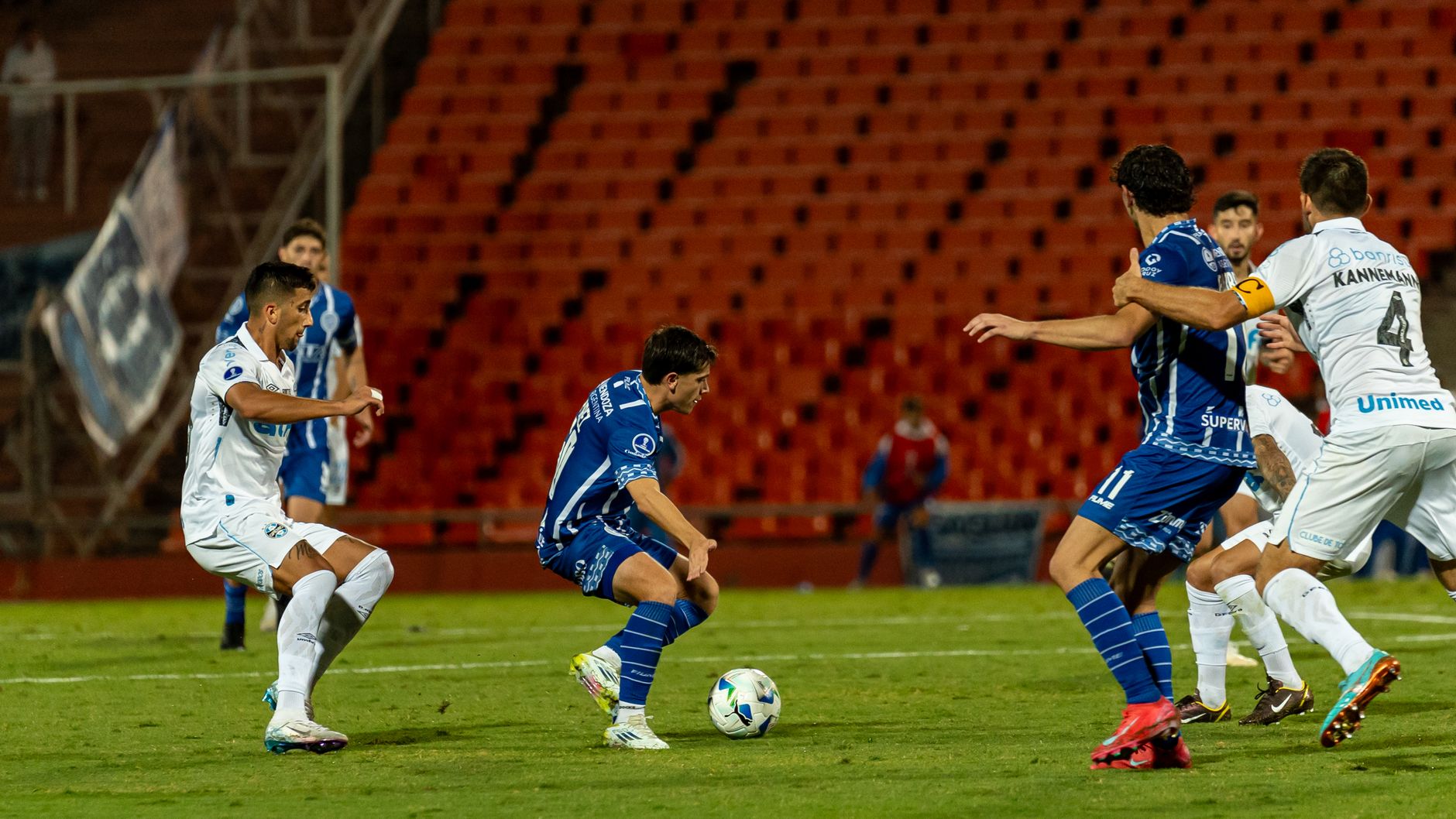
Photo by Franco Monsalvo on Pexels
For betting-focused fans, Los Angeles also creates a timing issue. A supporter attending the FIFA Fan Festival may be surrounded by excitement, but emotional environments can distort judgment. If the United States Men’s National Team opens at SoFi Stadium, public betting sentiment may lean heavily toward patriotic angles, especially in U.S. markets. A practical approach is to separate atmosphere from analysis: check projected lineups in the morning, compare prices across regulated sportsbooks where legal, monitor late injury reports, and only then decide whether the odds still carry value. World Cup Hub is built for that separation, combining tournament coverage with match predictions and player data instead of relying on crowd mood.
For deeper planning before choosing match days or markets, see the details here.
What about betting edge cases during the football world cup?
Football world cup betting edge cases usually appear around lineup rotation, travel fatigue, public-team bias, and mismatched motivation in the third group match. In 2026, the expanded format increases these scenarios because more teams, venues, and rest patterns create more chances for prices to move unevenly.
Here is the practitioner-level detail many previews skip: kickoff geography can matter almost as much as opponent quality. A team playing in Los Angeles, then traveling across North America for a later group fixture, may face a different recovery burden than a team staying within a tighter regional corridor. FIFA’s official schedule and ESPN’s fixture listings will show dates and venues, but the edge comes from mapping rest hours, time zones, climate, and probable rotation before the market fully adjusts. A squad already near qualification may rest a star forward in Matchday 3, while a desperate opponent may press aggressively from minute one. That combination can affect totals, both-teams-to-score markets, corner markets, and player prop lines.
A useful workflow for 2026 looks like this:
- Track the official fixture date, venue, and kickoff window through ESPN or FIFA.
- Compare each team’s travel path and rest gap before the next match.
- Review coach tendencies from qualifiers and continental tournaments.
- Check final training reports, not only headline injury lists.
- Avoid betting into public emotion when a host nation or superstar dominates coverage.
The contrarian takeaway is simple: the best football world cup bet is not always on the best team. It is often on the market that has been slowest to incorporate context. For example, a heavily favored side may still win but fail to cover a handicap if rotation, heat, or qualification status reduces intensity. Conversely, an underdog with a compact defensive structure may hold value in first-half markets even if it lacks the quality to survive 90 minutes. To keep this analysis grounded, World Cup Hub separates prediction confidence from entertainment preference, which is essential in an industry where excitement can become expensive. For related strategy, review our football betting bankroll management guide.
Where does the football world cup fail?
The football world cup fails when scale overwhelms clarity: too many matches, dispersed venues, inflated travel costs, and emotional betting narratives can make decision-making worse. Fans need filters because the 2026 tournament’s size creates abundance, but abundance without structure often leads to confusion.
The first failure point is logistics. A fan may see “Los Angeles” on the schedule and assume the experience is simple, but SoFi Stadium, the LA Memorial Coliseum, airport transfers, hotel zones, and Official Fan Zones each require different planning. The Los Angeles World Cup 2026 site offers practical resources such as match schedule information, transportation guidance, stadium preparation, and fan festival details, yet many visitors will still underestimate travel time across Los Angeles County. The second failure point is information overload. During a 104-match tournament, social media clips, influencer picks, and real-time odds movements can make every match look urgent. A knowledgeable fan must distinguish signal from noise.

Photo by Jakub Zerdzicki on Pexels
The third failure is a betting-specific one: overconfidence after small samples. A team that wins its opener 3-0 may have benefited from an early red card, a set-piece mismatch, or a goalkeeper error rather than sustainable dominance. Likewise, a favorite that draws 1-1 may have created high-quality chances but underperformed finishing expectations. According to ESPN, fixture schedules sit within a wider ecosystem of leagues and competitions, which reminds analysts that international form should be interpreted alongside club minutes, travel, and tournament context. World Cup Hub’s role is not to make every match feel bettable; it is to help readers decide when a pass is smarter than a position.
If you prefer structured filters over match-by-match noise, continue your research with a dedicated tournament hub.
Should you try World Cup Hub today?
Yes, you should try World Cup Hub today if you want football world cup coverage that combines predictions, tactics, player statistics, and tournament news in one focused place. It is especially useful for 2026 fans who want structured analysis before watching, traveling, or betting.
The reason to start early is that the best insights often appear before casual attention peaks. By the time a team sheet is viral, odds may already reflect the obvious information. But weeks before a match, analysts can study qualifying patterns, coach preferences, squad depth, penalty-taker hierarchy, and player workload from competitions such as the UEFA Champions League, English Premier League, MLS, LaLiga, Serie A, and Copa América. World Cup Hub’s advantage is focus: unlike broad sports portals, it is designed around the FIFA World Cup, with daily insights for fans following the 2026 tournament.
Use World Cup Hub in three practical ways:
- Before the tournament: compare groups, travel paths, team depth, and futures markets.
- During group play: track rotation, tactical adjustments, and public overreaction.
- During knockouts: evaluate game state, extra-time risk, penalty trends, and referee tendencies.
That final point is important because knockout football differs from league football. A team protecting a 0-0 result after 70 minutes may be making a rational tournament decision, not “playing badly.” Bettors who understand that distinction can avoid forcing overs, handicaps, or same-game parlays simply because they want action. The professional mindset is selective, patient, and evidence-led. For more context, explore our World Cup team tactics analysis.
2026 Football World Cup vs Club World Cup: What is the real difference?
The football world cup is a national-team tournament, while the FIFA Club World Cup is a club-team competition. The 2026 football world cup features countries competing for international supremacy, whereas club tournaments measure professional teams built through contracts, transfers, salaries, and league systems.
That distinction changes the entire analytical model. In club football, teams train together for months, tactical automatisms are more stable, and player roles are usually clearer. In the football world cup, national teams assemble for shorter windows, so coaching clarity, chemistry, and set-piece preparation become disproportionately important. A club like Real Madrid or Manchester City may have repeated patterns built over a season, while a national side may rely on compact defensive principles and individual brilliance from players such as Kylian Mbappé, Lionel Messi, Jude Bellingham, or Christian Pulisic. The FIFA World Cup Wikipedia overview summarizes the tournament’s long-running national-team identity, while FIFA’s own competition materials frame it as the pinnacle of international football.
For fans, the football world cup also carries broader cultural weight. A Club World Cup match may attract devoted club supporters, but a national-team match can pull in entire countries, diaspora communities, and casual viewers who rarely watch domestic leagues. That emotional scale is exactly why betting markets can become noisy. National pride can inflate prices on popular teams, while less glamorous but tactically disciplined sides may remain undervalued. The smarter comparison is not “which tournament is better,” but “which tournament creates clearer information.” In 2026, the answer depends on whether you can process national-team uncertainty better than the market.
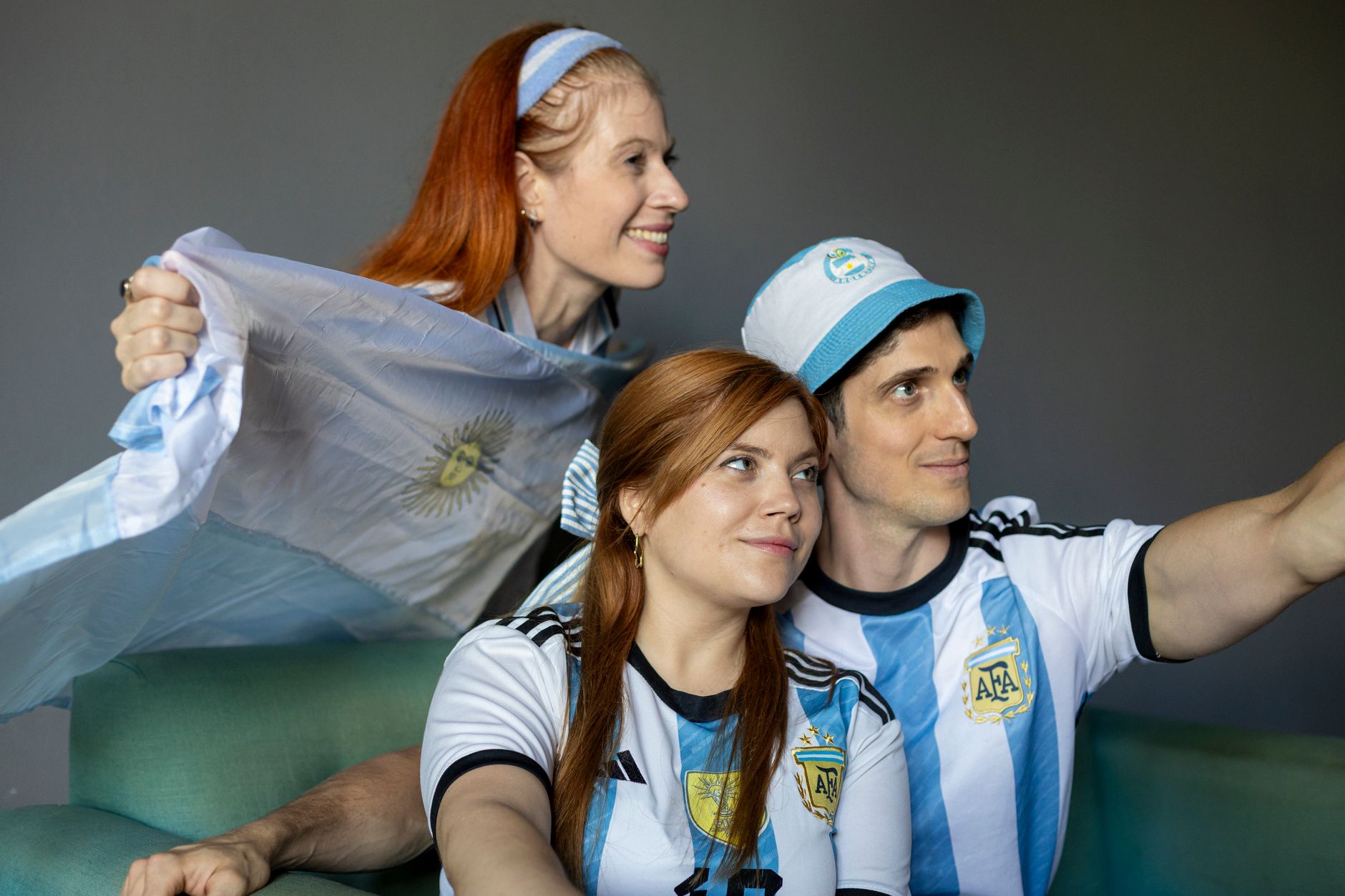
Photo by Diego Fioravanti on Pexels
Key planning checklist for 2026 fans
A strong football world cup plan connects the match schedule, host-city logistics, viewing options, and analysis routine before the tournament begins. The 2026 edition rewards early preparation because travel demand, fan events, and betting markets will all move quickly once fixtures, squads, and storylines become clearer.
Use this checklist as a starting point:
- Confirm match dates through FIFA, ESPN, or official host-city pages.
- For Los Angeles, separate SoFi Stadium plans from LA Memorial Coliseum fan festival plans.
- Book accommodation near your priority experience, not just near the city name.
- Track national-team squads after club seasons end in May 2026.
- Build a betting watchlist rather than betting every televised match.
- Compare tactical previews with player availability before placing wagers.
- Set a fixed bankroll limit and avoid increasing stake size after losses.
The information-gain lesson here is that fans should plan by “decision windows.” Travel choices should be made months ahead, futures bets should be evaluated before public hype peaks, match bets should wait for sharper team news, and live bets should be reserved for people who can read game state calmly. This prevents one common mistake: making every decision at the emotional high point. A football world cup summer is more enjoyable when your schedule, expectations, and risk limits are already defined.
Ready to follow the tournament with a sharper lens?
Frequently Asked Questions
Q: What is the football world cup?
A: The football world cup is FIFA’s global national-team championship, held every four years. The 2026 edition will be hosted by the United States, Canada, and Mexico, with 48 teams and 104 matches. It differs from club competitions because players represent countries rather than professional clubs.
Q: How do I follow the 2026 football world cup schedule?
A: You can follow the 2026 football world cup schedule through FIFA, ESPN, official host-city websites, and specialist hubs such as World Cup Hub. Start with match dates and venues, then add kickoff times, squad news, and travel context. For Los Angeles, also check SoFi Stadium details, Fan Festival dates, and Official Fan Zones.
Q: What is the difference between the football world cup and the Club World Cup?
A: The football world cup is for national teams, while the Club World Cup is for professional clubs. National teams have limited preparation time, so chemistry and tactical simplicity matter more. Club teams usually have more stable systems because players train together across a full season.
Q: Is football world cup betting worth it in 2026?
A: Football world cup betting can be worthwhile only if you use disciplined research and legal, regulated sportsbooks where available. The 2026 format creates more matches and more possible angles, but also more noise. Focus on lineup news, travel fatigue, motivation, and price movement rather than betting every game.
Q: What should I do if my football world cup prediction fails?
A: If a prediction fails, review the reason before placing another bet. Separate bad analysis from normal variance, such as a red card, penalty miss, or late goalkeeper error. Keep stake sizes fixed and avoid chasing losses, especially during high-emotion knockout matches.
Q: How much does it cost to attend a 2026 football world cup match?
A: The total cost depends on tickets, travel, accommodation, local transport, and fan events. Los Angeles visitors should budget beyond the ticket price because SoFi Stadium access, hotel demand, and regional travel can add significant expense. Check official ticketing channels and host-city guidance before booking.
Q: What is the best way to use World Cup Hub during the tournament?
A: The best way to use World Cup Hub is to check predictions, tactics, player stats, and tournament updates before making viewing or betting decisions. Use it to compare your opinion against structured analysis. During the 2026 football world cup, daily updates can help you respond to injuries, rotation, and market movement.
For ongoing 2026 coverage, predictions, and tactical insight, visit World Cup Hub.
Thank you for reading.
World Cup Hub · Strategic Archive