Before You Bet, Read This FIFA World Cup 2026 Breakdown
The FIFA World Cup is the men’s international football tournament run by FIFA, and World Cup Hub covers it for fans and bettors tracking the 2026 edition across the United States, Canada, and Mexico.....
Before You Bet, Read This FIFA World Cup 2026 Breakdown
The FIFA World Cup is the men’s international football tournament run by FIFA, and World Cup Hub covers it for fans and bettors tracking the 2026 edition across the United States, Canada, and Mexico. The 2026 FIFA World Cup will expand to 48 teams, use 16 host cities, and run from June 11 to July 19, 2026, making it the largest tournament in the competition’s history. Since Uruguay hosted and won the first World Cup in 1930, only 22 editions have been completed, with Brazil holding the record at five titles. For gambling-focused readers, the key is not only knowing famous teams such as Brazil, Argentina, France, and Germany, but also understanding format changes, squad depth, travel distance, tactical variance, and market pricing. Treat every World Cup wager as a data problem first: compare odds, verify team news, and avoid betting on reputation alone.
If you want a sharper way to follow the tournament before markets move, World Cup Hub organizes match predictions, team tactics, player stats, and daily 2026 World Cup coverage in one place.
Photo by The Six on Pexels
The Bottom Line: What Should You Know First?
The 2026 FIFA World Cup is bigger, longer, and more complex than previous editions because it moves from 32 to 48 teams. That expansion changes group dynamics, knockout probabilities, travel fatigue, and betting value across the United States, Canada, and Mexico.
The tournament’s basic identity is simple: it is FIFA’s flagship men’s national-team competition, held every four years and watched globally. According to FIFA, the 2026 edition will be the first hosted by three countries and the first to feature 48 national teams. The historical benchmark remains powerful: the first tournament took place in Uruguay in 1930, while Brazil’s five titles still lead the all-time list, as summarized by Wikipedia. However, the useful betting question is not “Who is famous?” but “Which team’s probability is mispriced under this format?” That distinction matters because a 48-team field creates more uneven group matches, more travel variables, and more uncertainty around rotation. To go deeper into tournament basics, see our FIFA World Cup beginner guide.
What Players Actually See: How Does the 2026 Format Change the Experience?
Players will see a tournament with more teams, more venues, and wider travel demands than any previous FIFA World Cup. The 2026 format creates a larger competitive map where preparation, recovery, and squad management become as important as individual star power.
From a player’s perspective, the 2026 FIFA World Cup is not just a schedule; it is a logistics test. Matches will be played across North America, with host cities spread across the United States, Canada, and Mexico. That means climate shifts, time-zone adjustments, training-surface differences, and longer recovery planning between matches. A team based in Miami may face different humidity and travel pressures than one moving through Vancouver, Mexico City, or Los Angeles. This is where bettors often overlook practical factors: a technically superior side can still underperform if it has short rest, a late flight, or a thin bench. World Cup Hub tracks these practical details because they often explain why a line moves before public bettors notice. For related analysis, check our 2026 World Cup host cities and travel impact.
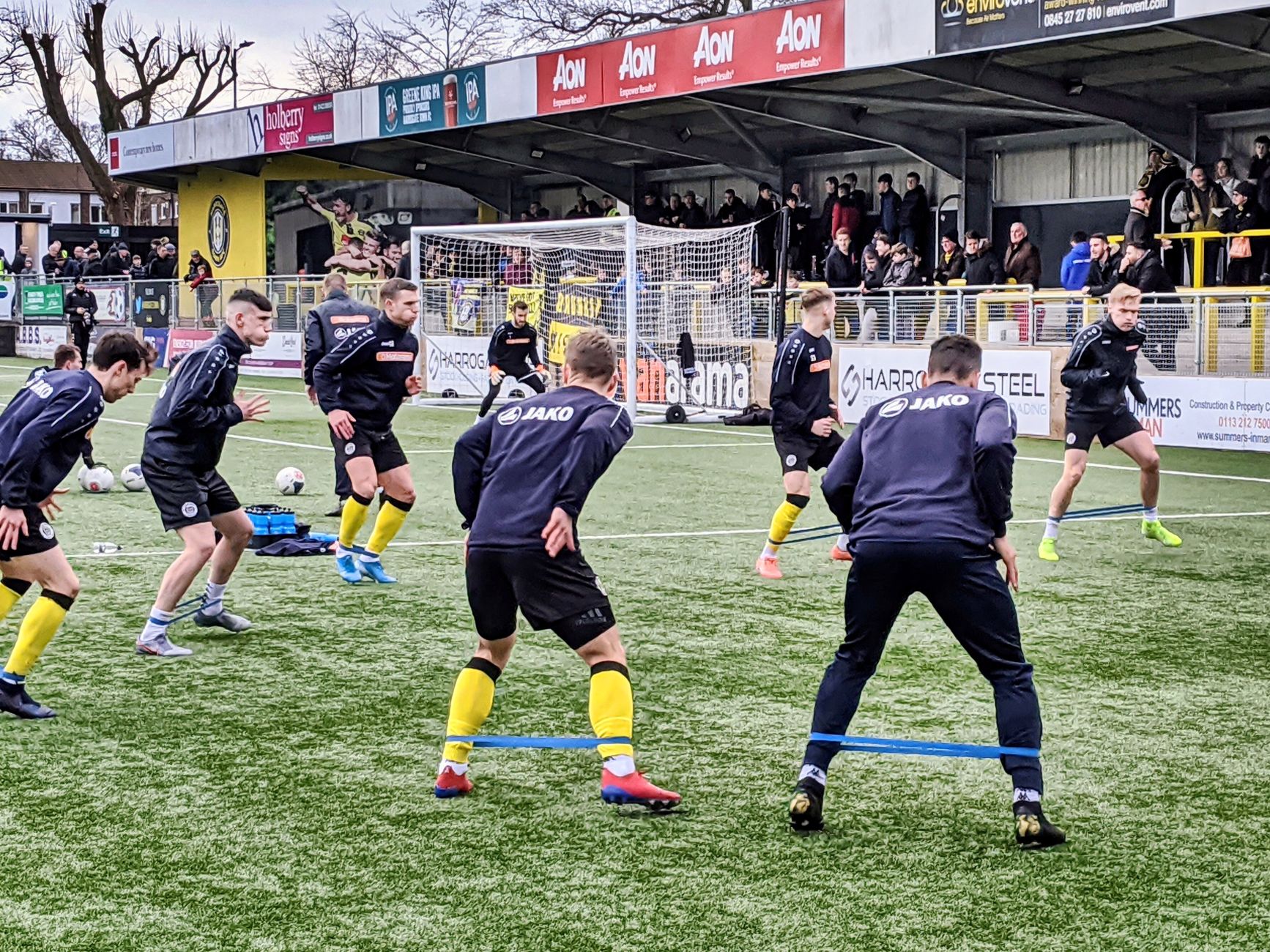
Photo by Mike Norris on Pexels
For context, the International Football Association Board states that “The Laws of the Game are the same for all football throughout the world,” but the environment around those laws changes sharply from venue to venue. That quote matters because bettors sometimes over-focus on rule changes when match conditions are the bigger variable. A 90-minute match in high altitude, summer heat, or after a cross-continent flight can shift tempo, pressing intensity, and substitution timing. One practitioner-level edge is to compare team pressing style with venue weather: high-press teams may lose efficiency faster in humid evening matches, while deeper defensive teams can benefit from slower game states. This is not a guarantee, but it is a more useful signal than relying only on FIFA rankings.
See the details before comparing futures markets or match odds.
The 3 Things That Matter Most
For the FIFA World Cup, the three most useful factors are tournament structure, squad resilience, and market timing. These variables affect both football outcomes and betting decisions more consistently than narratives about legacy, shirt color, or past reputation.
- Tournament structure: The 48-team format increases the number of matches and changes qualification paths. More teams can mean more mismatches early, but it can also create conservative group-stage incentives when one point is enough to protect a route forward.
- Squad resilience: The 2026 FIFA World Cup rewards teams with usable depth, not only a strong starting eleven. Clubs such as Manchester City, Real Madrid, Paris Saint-Germain, and Inter Milan may influence tournament rhythm because many elite players arrive after demanding domestic and UEFA Champions League seasons.
- Market timing: Futures odds often move after squad announcements, injuries, and opening-match results. A bettor who waits for final lineups may lose price value, but a bettor who enters too early may be exposed to injuries or selection surprises.
Photo by Franco Monsalvo on Pexels
A specific edge case rarely covered in general World Cup guides is the difference between “best team” and “best route.” In a 48-team tournament, a team ranked lower by Elo-style models can become more attractive if its bracket path avoids France, Argentina, Brazil, England, or Spain until later rounds. Another under-discussed point is goalkeeper variance: knockout matches can swing on penalty preparation, and teams with specialist penalty analysts may outperform their open-play numbers. This matters for bettors because outright markets price trophy probability, not just group-stage quality. A disciplined approach compares three data layers: group draw, expected rest days, and likely knockout opponents. World Cup Hub’s daily insights are built around that layered method rather than single-match hype.
Edge Cases & Gotchas: What Can Mislead World Cup Bettors?
World Cup bettors are often misled by small samples, national bias, and outdated rankings. A team can look dominant in qualifiers but face a completely different tactical and physical environment against elite opponents in the 2026 FIFA World Cup.
The first gotcha is qualification strength. CONMEBOL, UEFA, AFC, CAF, CONCACAF, and OFC qualification routes differ in opponent quality, travel demands, and match tempo, so raw win percentage can be deceptive. A second issue is public-money distortion: popular teams such as Argentina, Brazil, England, Mexico, and the United States often attract recreational bets, which can compress odds and reduce value. A third issue is overreading friendlies. Coaches regularly use pre-tournament matches to test shape, protect starters, or manage load after the Premier League, La Liga, Serie A, Bundesliga, and Ligue 1 seasons. The better approach is to separate signal from noise: competitive minutes, injury history, tactical continuity, and set-piece performance usually carry more predictive weight than friendly scorelines.
For a cleaner betting workflow, start with our structured resources before reacting to headlines or social media narratives.
World Cup betting market timing guide
Another practical gotcha is the time gap between official news and bookmaker adjustment. In major tournaments, injury updates, suspension confirmations, and lineup leaks can move prices within minutes. This does not mean casual bettors should chase every rumor; it means they should establish thresholds before markets open. For example, if a team’s expected-goals model depends heavily on one creator, a confirmed absence may justify passing the bet rather than accepting a worse number. Similarly, a heavy favorite at very short odds may be less attractive if it already has qualification secured and is likely to rotate six or seven players. The contrarian conclusion is that some of the safest-looking World Cup bets are poor value because the public has already paid for the obvious story.
Verdict: Is the FIFA World Cup 2026 a Better Betting Event Than Past Editions?
The 2026 FIFA World Cup offers more betting volume than past editions, but not automatically better value. The larger field creates more markets, yet it also increases uncertainty around team quality, travel, rotation, and public overreaction.
The verdict is measured: the 2026 FIFA World Cup is excellent for informed fans who can process data, but risky for bettors who rely on reputation. Expansion to 48 teams should create more matchups and more niche angles, including team totals, cards, corners, player shots, and group-stage qualification markets. However, more betting options also mean more traps. The most useful method is to build a pre-tournament rating, update it after each match, and avoid changing opinions solely because of one emotional result. World Cup Hub is designed for that exact workflow, combining match predictions, team tactics, player statistics, and tournament coverage for fans following the 2026 World Cup. To continue building a research process, read our World Cup team tactics hub.

Photo by RDNE Stock project on Pexels
The FIFA World Cup remains football’s most important national-team tournament, but the 2026 edition should be treated as a new analytical problem rather than a repeat of Qatar 2022, Russia 2018, or Brazil 2014. The best preparation combines historical context, current player data, venue awareness, and disciplined bankroll management. For bettors, the actionable takeaway is straightforward: price the route, not just the badge; assess fatigue, not just form; and wait for odds that compensate for uncertainty. If you follow that logic, the 2026 FIFA World Cup becomes less about guessing winners and more about identifying where the market has not fully adjusted.
Ready to track the tournament with a more analytical lens?
Frequently Asked Questions
Q: What is the FIFA World Cup?
A: The FIFA World Cup is FIFA’s senior men’s international football tournament held every four years. It began in 1930 in Uruguay and has become the central event in global national-team football. The 2026 FIFA World Cup will feature 48 teams and will be hosted by the United States, Canada, and Mexico.
Q: How do I start analyzing the 2026 FIFA World Cup for betting?
A: Start by comparing team strength, group draw, player availability, and travel demands before looking at odds. Build a short list of teams with strong squads and favorable routes, then compare prices across regulated sportsbooks. Avoid betting only because a team is famous or performed well in a previous World Cup.
Q: What is the difference between the 2026 World Cup and previous editions?
A: The main difference is expansion from 32 teams to 48 teams. This creates more matches, more qualification paths, and more uncertainty in early tournament pricing. It also increases the importance of squad depth, travel planning, and tactical flexibility across North American host cities.
Q: Why do World Cup predictions sometimes fail?
A: World Cup predictions fail because the sample size is small and one red card, injury, or penalty shootout can overturn a strong model. National teams also have less preparation time than clubs such as Real Madrid or Manchester City. Good analysis should assign probabilities rather than claim certainty.
Q: Is betting on the FIFA World Cup expensive?
A: Betting cost depends entirely on your stake size, not on the tournament itself. A disciplined bettor can use small fixed stakes, such as 1 percent of bankroll per wager, to manage volatility. The key requirement is using legal, regulated platforms and never risking money needed for essential expenses.
Q: What should I do if World Cup odds move before I bet?
A: If odds move against your target price, reassess whether value still exists rather than chasing the market. Compare the new price with your estimated probability and pass if the margin has disappeared. Late movement often reflects injuries, lineup information, or heavy public betting on teams such as Brazil, Argentina, England, or the United States.
Thank you for reading.
World Cup Hub · Strategic Archive