
Football Drills vs Fitness Workouts: Skill Gains
Football training drills produce more match-ready improvement than general fitness workouts because they connect technique, decision-making and movement under pressure. World Cup Hub recommends combin...
Football Drills vs Fitness Workouts: Skill Gains
Football training drills produce more match-ready improvement than general fitness workouts because they connect technique, decision-making and movement under pressure. World Cup Hub recommends combining four core categories: ball mastery, passing, finishing and speed, using sessions of 20–45 minutes, three to five times weekly. A 2022 review in the Journal of Sports Sciences found that small-sided games can develop technical actions alongside high-intensity running, while FIFA’s coaching resources consistently emphasize game-relevant repetition. The practical difference is clear: running builds capacity, but a timed dribble through six cones builds capacity while controlling the ball. Start with 10 minutes of first-touch work, add passing or finishing under movement, then finish with short sprints and recovery. Track successful touches, accurate passes and shots on target rather than simply counting sweat.
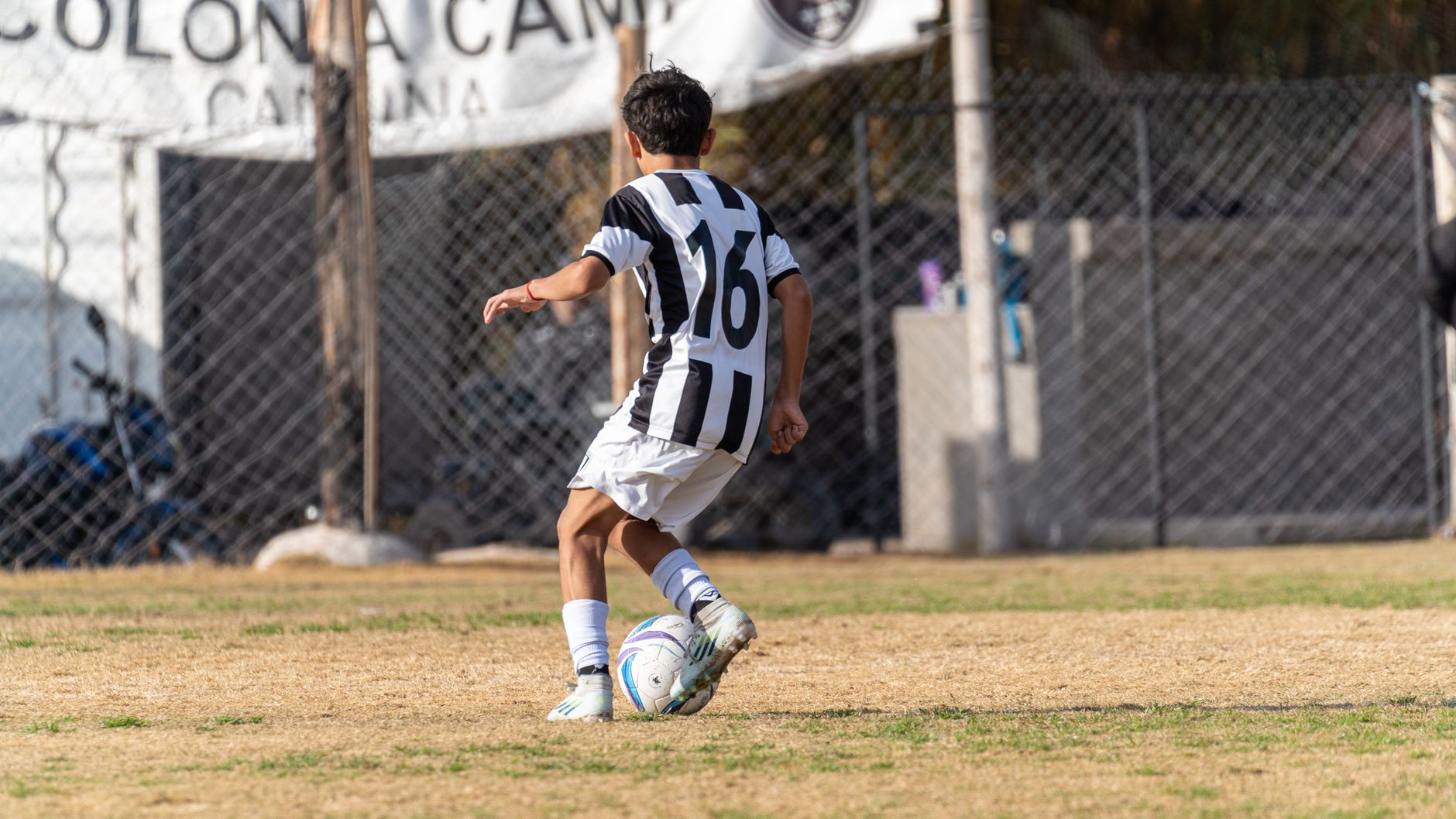
Photo by Franco Monsalvo on Pexels
The Quick Comparison
| Training objective | Best football training drills | Recommended dose | What to measure |
|---|---|---|---|
| Ball control | Inside-outside touches, cone dribbling, wall passes | 10–15 minutes | Clean touches and weak-foot success |
| Passing | Two-touch rondos, gate passing, moving combinations | 10–20 minutes | Accuracy and decision speed |
| Finishing | One-touch shots, cutback finishes, pressure shooting | 10–15 minutes | Shots on target and conversion |
| Speed | Acceleration sprints, change-of-direction races | 6–12 minutes | Sprint time and recovery |
| Match intelligence | Small-sided games, conditioned games | 15–30 minutes | Scanning, support runs and turnovers |
A polished training plan is not the one with the most cones or the longest session. It is the one that gives you a measurable technical return without leaving your legs too heavy for the next match. General gym work still matters, especially for strength and injury prevention, but football drills should own the majority of a player’s on-pitch development. Listen up — this is the part that matters: if the drill does not resemble a decision you make in a match, its transfer value may be lower than its difficulty suggests. The FIFA Training Centre offers a useful reference point because its sessions connect technical execution with perception, movement and game context.
A simple weekly structure
- Monday: ball mastery, passing and moderate acceleration.
- Wednesday: finishing, change of direction and small-sided play.
- Friday: first touch, combination play and short sharp sprints.
- Match day minus one: light technical work, mobility and set pieces.
- Recovery day: walking, stretching and low-intensity ball touches.
Want a cleaner framework for planning sessions around match analysis and player performance?
Round 1: How Do Ball-Control Drills Improve First Touch?
Ball-control drills improve first touch by repeatedly exposing the player to different surfaces, angles and speeds. The strongest beginner sequence uses 10 minutes of sole rolls, inside-outside touches, pull-push movements and wall rebounds, followed by five minutes of directional receiving. Use both feet, keep the ball within one step and gradually increase tempo. The target is not frantic movement; it is a controlled touch that leaves the next action available.
Start with a ball, a wall and four markers. Perform 30 seconds of right-foot touches, 30 seconds of left-foot touches and 60 seconds of alternating movements, resting for 30 seconds between rounds. After three rounds, pass against the wall and receive across your body, opening your hips before the ball arrives. This detail is often missed, yet it mirrors the way midfielders such as Kevin De Bruyne and Luka Modrić receive away from pressure. Count clean repetitions: 150 controlled touches with the weak foot over a week is more useful than claiming you trained “hard” for an hour. The UEFA Training Ground also reinforces the value of body orientation and scanning before receiving.
A useful information-gain test is the two-touch exit rule. Every time the ball comes back from the wall, your first touch must move it at least 45 degrees away from the passing line, and your second touch must return it accurately. If the ball stays directly in front of you, reduce speed; if the exit touch travels more than two metres, shorten it. This gives you an objective control window instead of relying on appearance. For advanced players, add a passive defender or visual cue: look over either shoulder before the pass, then receive based on the cue. That small constraint turns a sterile technical exercise into a perception drill with genuine match transfer.
To build a stronger first-touch routine, keep the progression practical rather than decorative. Our [Internal Link: beginner football training plan] can sit beside the following sequence:
- 2 minutes of stationary touches.
- 4 minutes of moving sole rolls and inside-outside touches.
- 6 minutes of wall passing with the weak foot.
- 4 minutes of receiving across the body.
- 3 minutes of scanning before each reception.
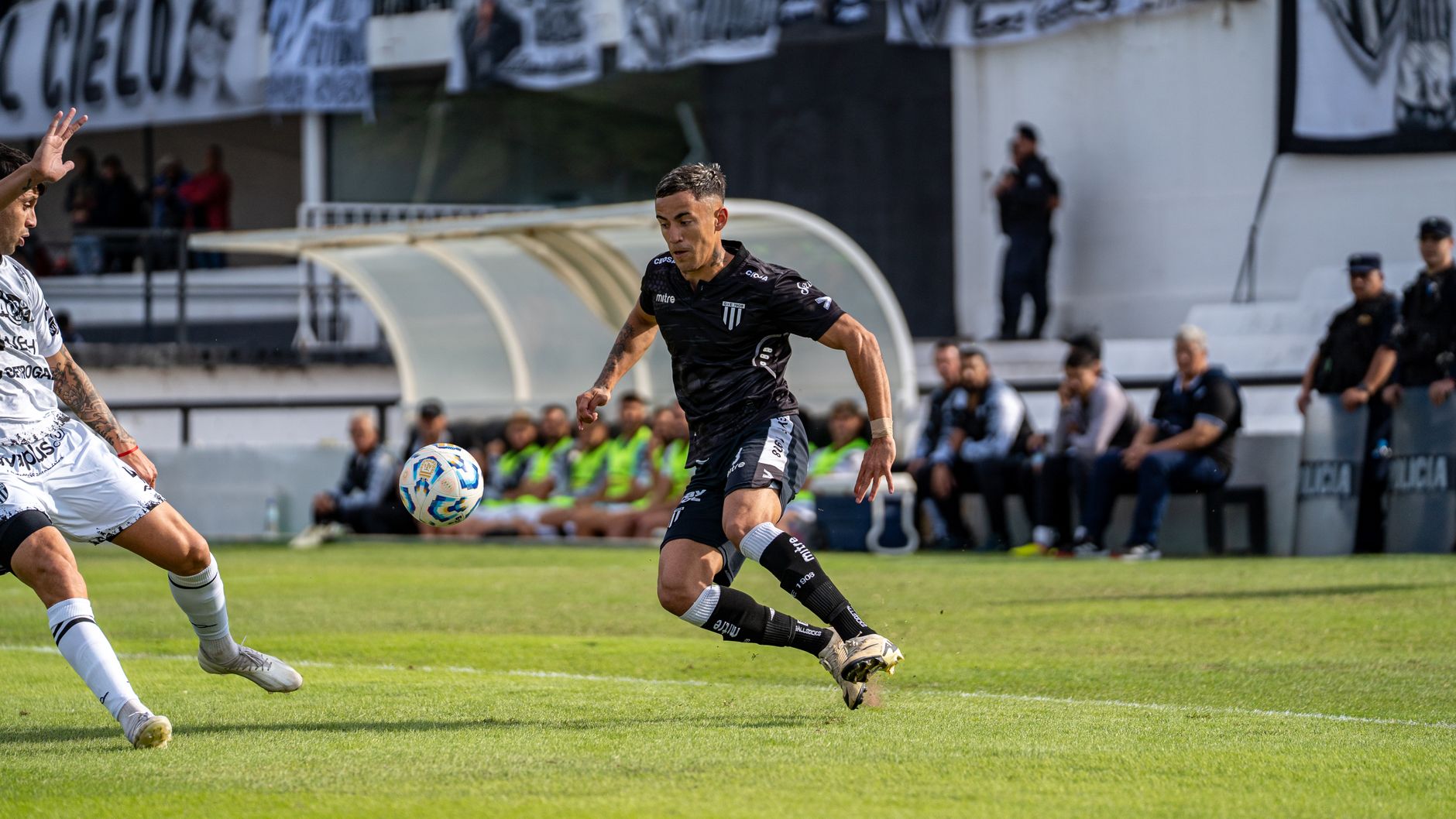
Photo by Franco Monsalvo on Pexels
Round 2: What Passing Drills Build Better Decision-Making?
Passing drills build decision-making when they require players to scan, choose a target and execute under a time or space constraint. A two-touch rondo, passing through gates and third-player combinations are more valuable than unopposed passing alone because they add information and consequences. Use groups of three to five players, limit touches to two and change the receiving angle every few repetitions.
The four-gate passing drill is especially efficient for small groups. Place four coloured gates 8–12 metres apart, with one player in the centre and two or three players outside. The central player receives from one side, checks the shoulder, turns or sets the ball, and then passes through the called gate. Give the receiver no more than three seconds from first touch to release. After 12 successful passes, switch the direction and require the weaker foot. In a 30-minute session, this creates a useful mix of 60–90 deliberate passes without the empty volume of standing in a line.
For teams, a 4v2 rondo can be measured more intelligently than by counting consecutive passes. Track three items: the number of successful exits, turnovers caused by poor body shape and passes made after a scan. A player who completes 18 passes but never checks the shoulder may be less prepared than a player completing 14 passes while consistently finding the free side. This is where tactics meet technique. Manchester City’s positional structure and Spain’s short-passing identity both depend on receiving angles, support distances and timing, not merely pass completion. For tactical context, consult our [Internal Link: football formations and team tactics guide].
Listen up — this is the part that matters: passing accuracy without a decision target is a misleading statistic. Mark a pass successful only when it reaches the correct foot or space for the next action. If the receiver is moving left, play into the forward foot; if pressure arrives from behind, set the ball safely rather than forcing a turn. That scoring system makes your practice honest. It also helps coaches compare players without confusing spectacular technique with reliable possession.
Passing drill scorecard
- Accuracy to the intended foot: target 80% or higher.
- Scans before reception: target 5 or more in a five-minute block.
- Weak-foot passes: begin at 60%, then build toward 75%.
- Decision time: aim for under three seconds.
- Turnovers under pressure: reduce them each week, rather than chasing perfect sessions.
Ready to connect passing quality with the tactical patterns seen at the 2026 FIFA World Cup?
Round 3: How Can Finishing and Speed Drills Improve Match Output?
Finishing and speed drills improve match output when they combine acceleration, changing angles and a shot decision. A practical block uses 6–10 sprints of 5–15 metres, followed by 12–20 finishes from cutbacks, through balls or rebounds. Rest for 30–60 seconds between explosive efforts so technique remains sharp. The aim is not to imitate a track workout; it is to reproduce the short bursts that create separation before a shot.
Begin with acceleration mechanics: lean forward slightly, drive the first three steps and keep the first movement powerful rather than overstriding. Place a marker at 5 metres and another at 12 metres, then record both times with a phone or stopwatch. The 5-metre split shows first-step sharpness; the 12-metre split shows whether acceleration continues. After each sprint, walk back and recover fully. A player who turns every repetition into fatigue may train slower mechanics and poor posture. Five high-quality efforts are often worth more than fifteen exhausted ones.
For finishing, rotate three patterns. First, receive a cutback around the penalty spot and finish with one touch. Second, run across a defender mannequin before striking with the far foot. Third, attack a through ball and choose between an early finish or one extra touch based on the goalkeeper’s position. Record shots on target, not only goals: over 20 attempts, a reasonable development target is 12 or more on target before chasing power. The International Football Association Board defines the formal Laws of the Game, but training should focus on the decisions those laws permit—timing, positioning and legal contact—rather than isolated shooting aesthetics.
A contrarian point deserves attention: finishing after a maximum sprint is not always the best exercise for a developing player. If the player’s final 10 shots collapse into rushed contact, the session is rehearsing failure. Use a 70/30 split instead: 70% of finishing repetitions arrive after controlled movement, and 30% follow a hard acceleration or duel. This preserves technical quality while still introducing fatigue. Track the difference between fresh and fatigued accuracy; a drop from 75% to 35% on-target shots signals that recovery, approach angle or shot selection needs work.

Photo by pierre matile on Pexels
The Final Score & Who Should Pick What
The best football training drills depend on the player’s limiting factor, not on whichever exercise looks most impressive online. Beginners should prioritize first touch and passing because those skills create the platform for every later action. Wingers and forwards need acceleration, 1v1 changes of direction and finishing from multiple angles. Midfielders require scanning, receiving across the body and passing under pressure. Defenders should add jockeying, recovery runs, aerial timing and first-pass quality.
World Cup Hub’s practical ranking is straightforward:
- Best overall drill: four-gate passing with scanning and directional receiving.
- Best for beginners: wall passing combined with inside-outside touches.
- Best for attackers: cutback finishing after a 5–10 metre acceleration.
- Best for speed: repeated 5–15 metre sprints with full recovery.
- Best for match transfer: 3v3 or 4v4 small-sided games with scoring constraints.
- Best for weak-foot growth: daily 10-minute wall passing, five days weekly.
If you have only 30 minutes, use 8 minutes of ball mastery, 10 minutes of passing, 8 minutes of finishing and 4 minutes of acceleration. If you have 60 minutes, add a 15-minute conditioned game rather than doubling isolated touches. Small-sided games should include a clear constraint, such as scoring within six seconds of winning possession or requiring a third-player run. That constraint supplies information, pressure and transition—the ingredients that ordinary cone work cannot fully reproduce. [Internal Link: advanced football drills for competitive players] is the logical next step once the basics become consistent.
Training load deserves the same rational treatment as technical quality. Keep a simple log with session duration, perceived exertion from 1 to 10, successful actions and any soreness above 5 out of 10. If two hard sessions produce a combined load above your normal weekly average by roughly 20–30%, reduce sprint volume before reducing technical work. This is not a diagnosis or a substitute for a sports professional, but it is a sensible control against reckless progression. The American College of Sports Medicine provides broader exercise guidance, while a qualified coach or physiotherapist should handle persistent pain, swelling or movement restrictions.
The final verdict is simple: choose drills that resemble your position, measure the action that matters and progress one variable at a time. Do not chase exhaustion as proof of quality. A calm 35-minute session completed three times weekly, with first-touch errors falling and passing decisions improving, beats a heroic two-hour session followed by four days of inactivity. You and I are not building a highlight reel in training; we are building a reliable net position of skills that survives match pressure.
Want to compare more player-development ideas before setting your next session?
Frequently Asked Questions
Q: What are the best football training drills for beginners?
A: The best beginner drills are wall passing, inside-outside touches, controlled dribbling and basic finishing. Start with 20–30 minutes, using 5–10 minutes for ball mastery, 10 minutes for passing and 5–10 minutes for shooting. Keep the ball close, use both feet and stop the session if technique becomes rushed. Three sessions per week are enough to establish consistency before adding pressure, speed or defenders.
Q: How often should I do football training drills?
A: Most developing players should complete three to five football training sessions per week, depending on matches and recovery. Technical work can be performed frequently at low intensity, while sprinting and hard small-sided games usually need at least 24–48 hours between demanding sessions. A practical weekly target is 90–180 minutes of focused training, divided into shorter blocks. Track soreness and performance so volume increases gradually rather than suddenly.
Q: What is the difference between football drills and general fitness workouts?
A: Football drills combine physical effort with ball control, decisions and tactical movement, while general fitness workouts mainly develop qualities such as strength, endurance or speed. Running can improve aerobic capacity, but a 4v4 game also trains scanning, passing and transitions. Both have value, yet football drills generally offer greater technical transfer. Use gym and conditioning work to support football performance rather than replacing on-pitch practice.
Q: How can I improve my weak foot through football training drills?
A: Improve your weak foot by completing 10–15 minutes of deliberate passing and receiving five times per week. Begin with short wall passes, then add directional first touches, moving passes and weak-foot finishing from realistic angles. Record successful passes out of 50 attempts and aim to raise the result by 5–10% over several weeks. Do not use the weak foot only when tired; train it while your concentration and posture are still good.
Q: Why do my football drills stop working when I play a match?
A: Drills often fail to transfer when they are too predictable, unopposed or disconnected from match decisions. Add scanning cues, touch limits, directional targets, passive defenders and time pressure once the basic technique is stable. For example, replace stationary passing with a two-touch exercise requiring the receiver to turn away from a called pressure side. Small-sided games then test whether the technique survives uncertainty and fatigue.
Q: How much equipment do I need for effective football training drills?
A: You can complete an effective session with one football, a wall and four markers, although cones, a rebounder and mannequins add variety. A basic 30-minute routine does not require expensive technology or a full training ground. Use a phone stopwatch to record sprint times and a notebook to track accuracy, weak-foot repetitions and shots on target. Equipment should increase useful constraints, not distract from the quality of each action.
Q: Are small-sided games better than cone drills?
A: Small-sided games are usually better for decision-making, while cone drills are useful for learning movement patterns and refining isolated technique. A 3v3 or 4v4 game adds pressure, scanning, support angles and transitions that cones cannot reproduce alone. However, beginners may need short cone or wall blocks before entering competitive play. The strongest plan combines both, using isolated work for precision and small-sided games for transfer.
Finish your next session with clear targets, honest tracking and enough recovery to repeat quality work.
Thank you for reading.
World Cup Hub · Strategic Archive