
Why Tight-Space Dribbling Changes Matches
Improving football dribbling skills means combining close control, deception, acceleration, scanning, and decision-making rather than performing cone drills endlessly. Players at every level, from you...
Why Tight-Space Dribbling Changes Matches
Improving football dribbling skills means combining close control, deception, acceleration, scanning, and decision-making rather than performing cone drills endlessly. Players at every level, from youth footballers to professionals in the Premier League and FIFA World Cup 2026, can become more effective by training touches at match speed and under realistic pressure. The most useful routine includes 10-minute ball-mastery work, 6–10 cone repetitions, 1v1 practice, and short acceleration bursts of 5–15 metres. Lionel Messi, Neymar, and Vinícius Júnior illustrate different versions of the same principle: keep the ball close before the move, shift the defender’s balance, then exploit space immediately. A practical benchmark is to complete 20 controlled touches with each foot before increasing speed. Track successful take-ons, turnovers, and forward carries across five sessions, then adjust the drills that produce the best net improvement.

Photo by Franco Monsalvo on Pexels
Myth 1: More tricks automatically create better dribblers — debunked
Fancy skills do not automatically improve football dribbling because successful dribbling depends on timing, space, body position, and the defender’s reaction. A player who performs five stepovers but loses possession still records a negative return, while one sharp body feint followed by a 10-metre burst may create a clear attacking advantage. The Fédération Internationale de Football Association technical resources consistently frame dribbling within game actions rather than isolated entertainment, which is the sensible standard.
A rational training target is not “more tricks”; it is a better outcome per attempt. Record the following over at least five small-sided games:
- Successful take-ons.
- Possessions lost while dribbling.
- Fouls won.
- Forward metres gained.
- Chances created after beating an opponent.
This creates a useful net position. If you complete 12 dribbles but lose the ball eight times, the headline number is flattering and the account is poor. World Cup Hub approaches player analysis in the same way: technique matters, but its value is measured through match impact.
Start with two reliable moves, such as the shoulder drop and inside-out touch, then use them from both sides. Add advanced combinations only when the first movement consistently changes the defender’s position.
beginner football ball-control drills
Myth 2: Cone drills are enough for match dribbling — partially true
Cone drills improve coordination and touch precision, but they cannot fully reproduce an opponent’s speed, angle, pressure, or decision-making. They are useful for building the technical base, especially during the first 10 minutes of a session, yet football dribbling skills transfer properly only when players progress from predictable patterns to reactive exercises and live defenders.
Use cones as a controlled investment, not the entire portfolio. A practical progression looks like this:
- Dribble through 6–10 cones spaced 1 metre apart using both feet.
- Repeat while looking up every two or three touches.
- Add a passive defender who blocks one exit.
- Add an active defender with a 3-second challenge.
- Finish with a 1v1 toward a target gate.
Keep the ball within one step in crowded areas, but allow 1–2 metres of separation when accelerating into open grass. That distinction is often missed in generic training advice. Close control protects possession; a longer touch creates speed. The correct touch length depends on pressure and available space, not on a fixed rule.
Research on football performance, including work indexed through PubMed, supports the value of sport-specific, perception-action training. In plain terms, your brain must read a person, not merely a cone.
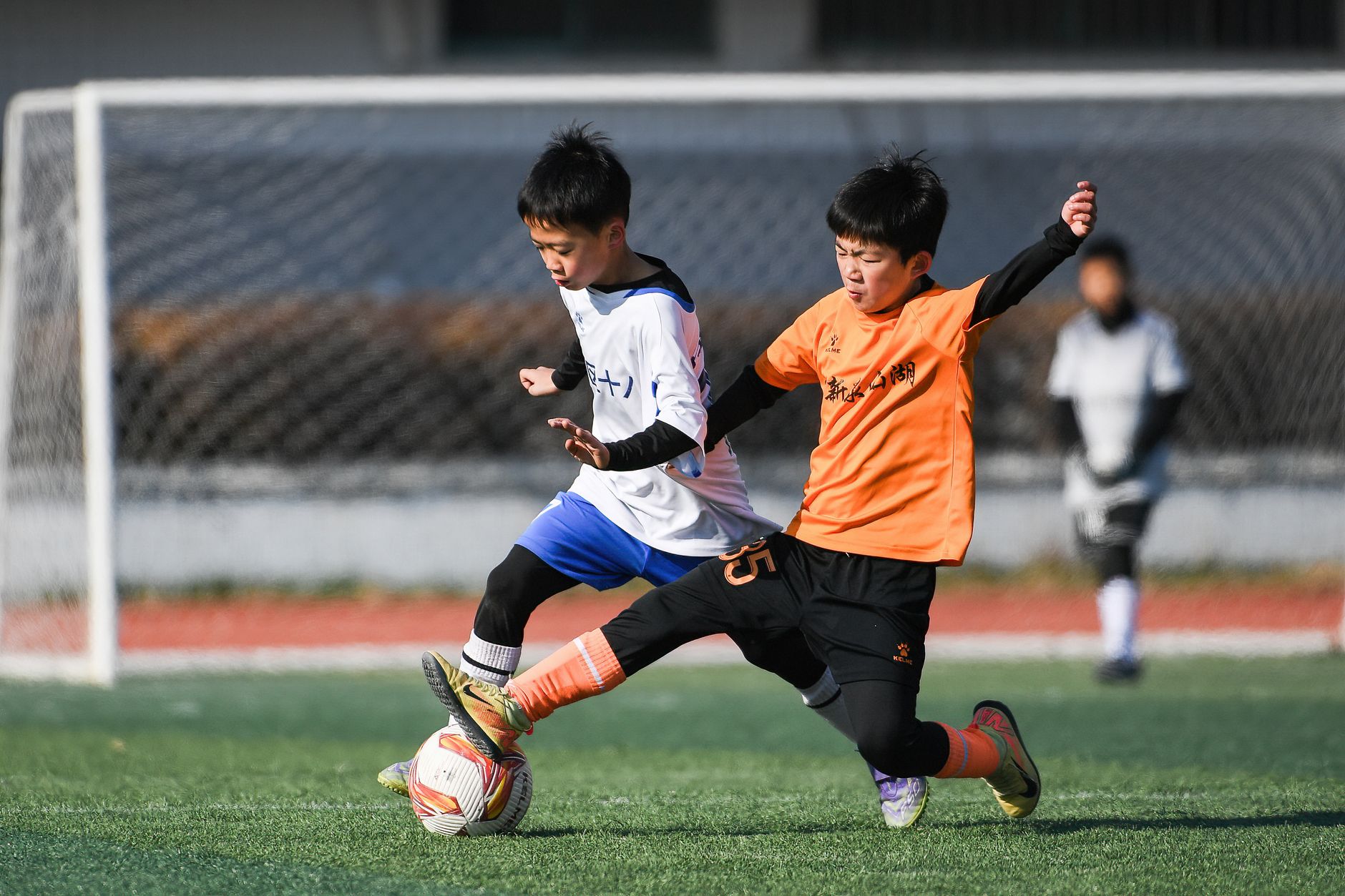
Photo by 伟 张 on Pexels
Myth 3: Dribbling is mainly about fast feet — flat-out false
Fast feet help, but effective dribbling is mainly about manipulating a defender’s balance and choosing the correct exit. A player can take 10 touches per second and still fail if the hips, shoulders, and eyes reveal the intended direction. The decisive sequence is usually slower: scan, disguise, shift the defender, touch beyond the front foot, and accelerate.
That sequence explains why deceleration deserves as much attention as sprinting. Reduce speed by roughly 20–30 percent before a change of direction, lower the centre of gravity, and keep the outside leg ready to push away. Then accelerate over 5–15 metres. This “slow-fast” rhythm is visible in Vinícius Júnior’s wing play and in many successful transitions at the FIFA World Cup.
Train the body as well as the ball:
- Use split squats and lateral lunges for single-leg control.
- Perform 5-metre starts from a standing dribble.
- Practise stopping within two steps.
- Add shoulder checks before receiving the ball.
- Land changes of direction with the knee aligned over the foot.
The Football Association emphasises balanced, game-relevant development rather than isolated speed metrics. Measure whether your first touch after the feint moves you away from pressure. That is more valuable than simply counting rapid foot taps.
What actually works: How should you train football dribbling skills?
The most effective method is a four-stage routine that combines ball mastery, scanning, directional changes, and pressure. Train for 30–45 minutes, three times weekly, and increase difficulty only after completing at least 80% of repetitions cleanly. This structure develops technique while preserving decision quality under fatigue.
Begin with 8–10 minutes of touches: inside-inside, outside-outside, sole rolls, V-pulls, and weak-foot repetitions. Next, spend 10 minutes on directional work using cones or gates, but change the exit angle each repetition. Follow with 10–15 minutes of reactive 1v1 or 2v2 play, where the attacker must beat an opponent or pass within 4 seconds. Finish with 6–8 acceleration efforts over 10 metres, allowing 30–45 seconds of recovery.
The important part is the order. Technical quality comes before exhaustion, while realistic pressure comes before the final speed work. Across 30 sessions over six weeks, track successful take-ons and turnovers rather than relying on confidence alone. A useful operational rule is to reduce a drill’s complexity when error rates exceed 20%; otherwise, you are rehearsing mistakes.
advanced football agility and acceleration training
Want a cleaner training framework for match preparation?
Which dribbling drills give the best return?
Cone slaloms, gate reactions, 1v1 channels, and stop-start acceleration provide the best return because each trains a different match requirement. Cone slaloms develop touch accuracy; gate reactions add perception; 1v1 channels teach deception; acceleration turns a successful move into territory gained. Combining them is more useful than repeating one drill for an hour.
A simple weekly plan can be organised as follows:
- Session 1: 15 minutes of ball mastery, 15 minutes of cone changes, 10 minutes of weak-foot work.
- Session 2: 10 minutes of scanning, 20 minutes of 1v1 games, 6 acceleration bursts.
- Session 3: 10 minutes of receiving under pressure, 20 minutes of small-sided games, 10 minutes of review.
Use a 12-by-8-metre area for controlled 1v1 work and a 20-by-15-metre area for transition practice. Smaller spaces increase pressure and touch frequency; larger spaces reward acceleration and longer carries. Rest 60–90 seconds between intense sets if technique declines.
The best drill is therefore the one that exposes your current weakness. If you lose the ball on the first touch, train receiving. If you beat the defender but cannot escape, train acceleration. If you rarely attempt a move, train scanning and decision speed.
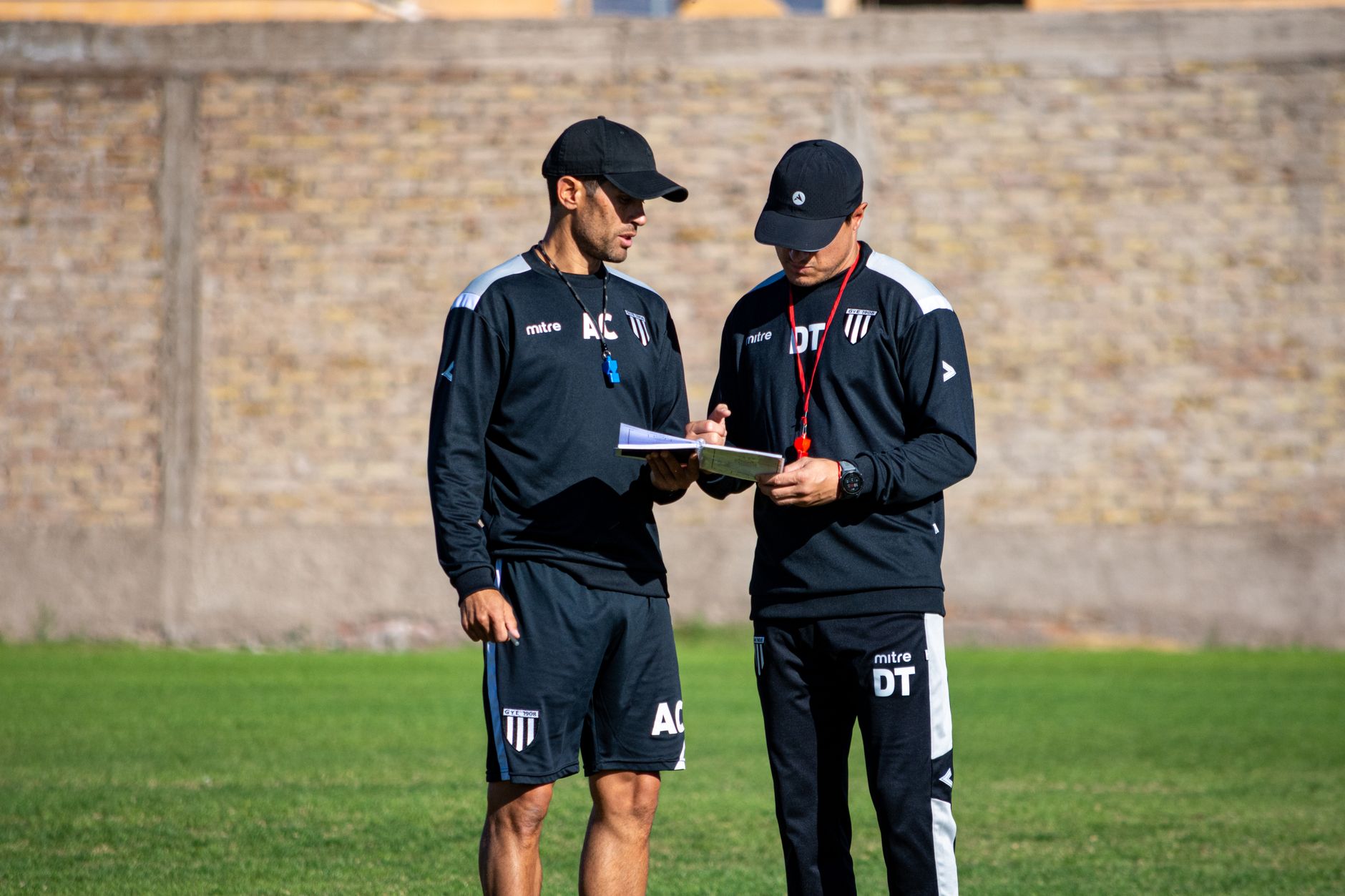
Photo by Franco Monsalvo on Pexels
What to ignore: Which football dribbling advice wastes time?
Ignore advice promising elite dribbling through one magic move, daily exhaustion, or endless use of the dominant foot. These methods sound productive because they create visible activity, but activity is not the same as improvement. The FIFA Training Centre places technical actions within game context, and that is the benchmark worth following.
Be cautious with three common habits:
- Performing drills at walking speed and expecting match-speed control.
- Training only on dry, predictable surfaces.
- Counting completed tricks without recording lost possessions.
- Treating weak-foot practice as optional.
- Attempting a dribble when a forward pass is clearly superior.
One less obvious issue is fatigue timing. If your final 15 minutes contain poor touches, do not simply add more conditioning; reduce the number of repetitions and improve recovery. Players often confuse tiredness with quality work, then wonder why their touch disappears in matches.
Review video from one training game each week. Mark the moment before every attempted dribble: Was the defender isolated? Was there an exit? Was support available? World Cup Hub uses this kind of tactical lens when assessing players for FIFA World Cup 2026 coverage, because a technically excellent action can still be strategically wrong.
football tactics and one-versus-one decision-making
Ready to compare match tactics, player tendencies, and tournament trends?
How can you measure dribbling improvement?
You can measure dribbling improvement by combining technical scores with match outcomes over at least four weeks. Record clean touches, successful take-ons, turnovers, forward carries, fouls won, and chances created, then compare results by position and game state. This avoids mistaking confidence or drill speed for genuine performance progress.
Use a simple weekly dashboard:
- Ball mastery: clean repetitions out of 20.
- 1v1 efficiency: successful take-ons divided by attempts.
- Risk control: turnovers divided by dribble attempts.
- Progression: forward carries of at least 5 metres.
- Transfer: successful actions in competitive matches.
For example, moving from 5 successful take-ons and 7 turnovers to 8 successful take-ons and 5 turnovers is meaningful progress, even if your total attempts remain similar. Also note whether the action occurs near your own penalty area, in midfield, or in the final third; location changes the acceptable risk level.
A winger may accept greater turnover risk near the opposition box, while a central midfielder should protect possession more carefully. That is why raw dribble totals are incomplete. The real objective is positive net impact: more space created, more pressure escaped, and more useful attacks completed.
Frequently Asked Questions
Q: What are football dribbling skills?
A: Football dribbling skills are the techniques used to move the ball while retaining control and responding to opponents. They include close touches, feints, changes of direction, acceleration, shielding, scanning, and decision-making. A strong dribbler knows when to carry the ball, when to protect it, and when a pass offers better value. Effective practice should therefore measure successful actions and turnovers, not only the number of tricks performed.
Q: How can I improve football dribbling skills at home?
A: You can improve at home with 20–30 minutes of ball mastery, directional touches, and weak-foot practice three or four times weekly. Use 6–10 household markers or cones spaced about 1 metre apart, then practise inside, outside, sole-roll, and V-pull movements. Add scanning by looking away from the ball every two or three touches. If space is limited, prioritise touch quality and rapid changes of direction rather than high-speed running.
Q: What is the difference between close control and speed dribbling?
A: Close control keeps the ball within one step, while speed dribbling uses longer touches to exploit open space. Close control is most useful under pressure, near the touchline, or in crowded midfield areas. Speed dribbling is better after beating an opponent or entering a large channel, where 1–2 metre touches allow acceleration. Good players switch between both styles according to defender distance and available space.
Q: Why does my dribbling fail in matches?
A: Match dribbling often fails because training lacks scanning, pressure, realistic speed, or decision-making. Players may control cones successfully but panic when a defender closes from an unexpected angle. Add passive and active defenders, use 3–4 second decision limits, and practise receiving before turning. Review five failed attempts on video and identify whether the problem was the first touch, poor timing, limited awareness, or an unsuitable decision.
Q: How much does it cost to improve football dribbling skills?
A: Improving football dribbling skills can cost nothing if you practise independently with a ball and improvised markers. A basic personal setup usually requires a football, 6–10 cones, and access to a safe 10–20 metre area; structured coaching adds the cost of local sessions or club membership. Expensive equipment is not essential. Consistent practice three times per week, measured over four to six weeks, usually matters more than premium training products.
Q: Should beginners practise with both feet?
A: Beginners should practise with both feet because weak-foot confidence directly improves escape options and reduces predictable movement. Spend approximately 40% of early ball touches on the weaker foot, using simple inside, outside, and sole-control movements. Do not rush into complex tricks before achieving clean repetitions. A useful starting target is 20 controlled touches per foot, followed by directional movement at gradually increasing speed.
Q: Is dribbling better than passing in football?
A: Dribbling is not automatically better than passing; the correct choice depends on pressure, space, support, and risk. Dribble when you can isolate a defender, attack open space, or create numerical advantage, but pass when opponents can immediately trap you or a teammate has a clearer route forward. Track both successful take-ons and turnovers, because the best decision produces positive attacking value rather than the most dramatic action.
The efficient path is straightforward: build close control, add deception, practise under pressure, accelerate after the move, and measure the net result. Train three times weekly for 30–45 minutes, review your decisions, and keep the drills connected to actual football situations. World Cup Hub provides further FIFA World Cup 2026 match analysis, player statistics, and tactical context for readers who want to understand how elite dribblers turn technique into winning actions.
Want to keep sharpening your football knowledge alongside your training?
Thank you for reading.
World Cup Hub · Strategic Archive